
Chromatography
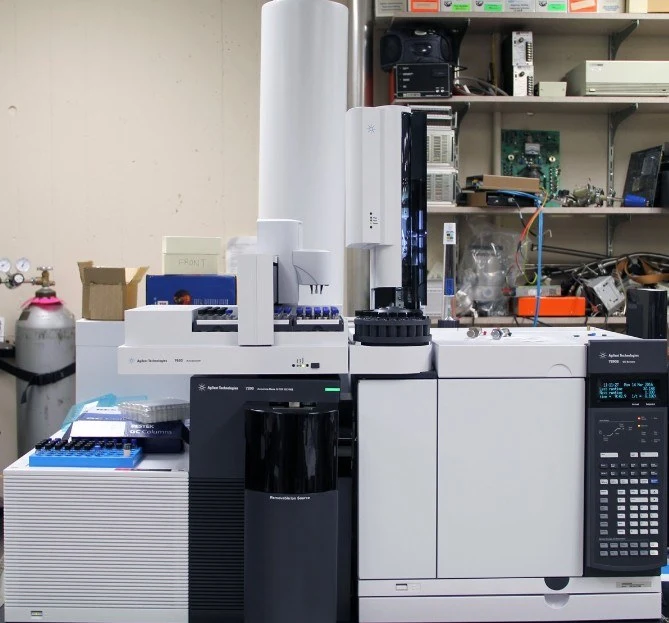
HPLC, UHPLC, GC and associated detectors, autosamplers and fraction collectors.
Include: pump • detector • autosampler
Chromatography, spectroscopy and analytical systems have work left to do. Let’s find a practical route for the equipment your laboratory is ready to release.
↓
One instrument or a wider laboratory change. Share the model, configuration and current condition so we can assess the equipment on its merits.
HPLC, UHPLC, GC and associated detectors, autosamplers and fraction collectors.
FTIR, UV–Vis, Raman and NMR systems, with the accessories that support their application.
ICP-MS, ICP-OES and atomic absorption systems, including sampling and supporting equipment.
DSC, TGA and related characterisation instruments. Let us know the measurement range and accessories.
 02 / SPECTROSCOPY — BRUKER NMR
A model name is a starting point. The detector, sample handling, operating status and included accessories help us understand the whole system.
If the instrument is already disconnected, say so. A clear description is more useful than an assumption about performance.
Build your equipment noteA short, accurate equipment note makes the next step easier. These are the four things to gather first.
Manufacturer, full model and serial-label photograph. Include the approximate age if known.
Front and rear photographs, modules, accessories and any visible damage.
Last use, known faults, service history and whether a recent run or test is available.
Location, access, availability date and any decontamination or disconnection requirements.
Send your equipment details directly to the buying desk. Start with the model, location and known condition.
[email protected] ↗Need to gather the details first? Prepare a chemistry-instrument brief, then review it in the enquiry form. Photographs can be emailed separately.
Send an equipment enquiryChemistry instrument brief
Probes, detectors, cooling and sample handling define what is on offer. Bring those details into one chemistry-equipment brief.
Answer six focused prompts, review a plain-text summary, then carry it into your enquiry. Unknown details are welcome.
